Available 24/7 (214) 333-3333
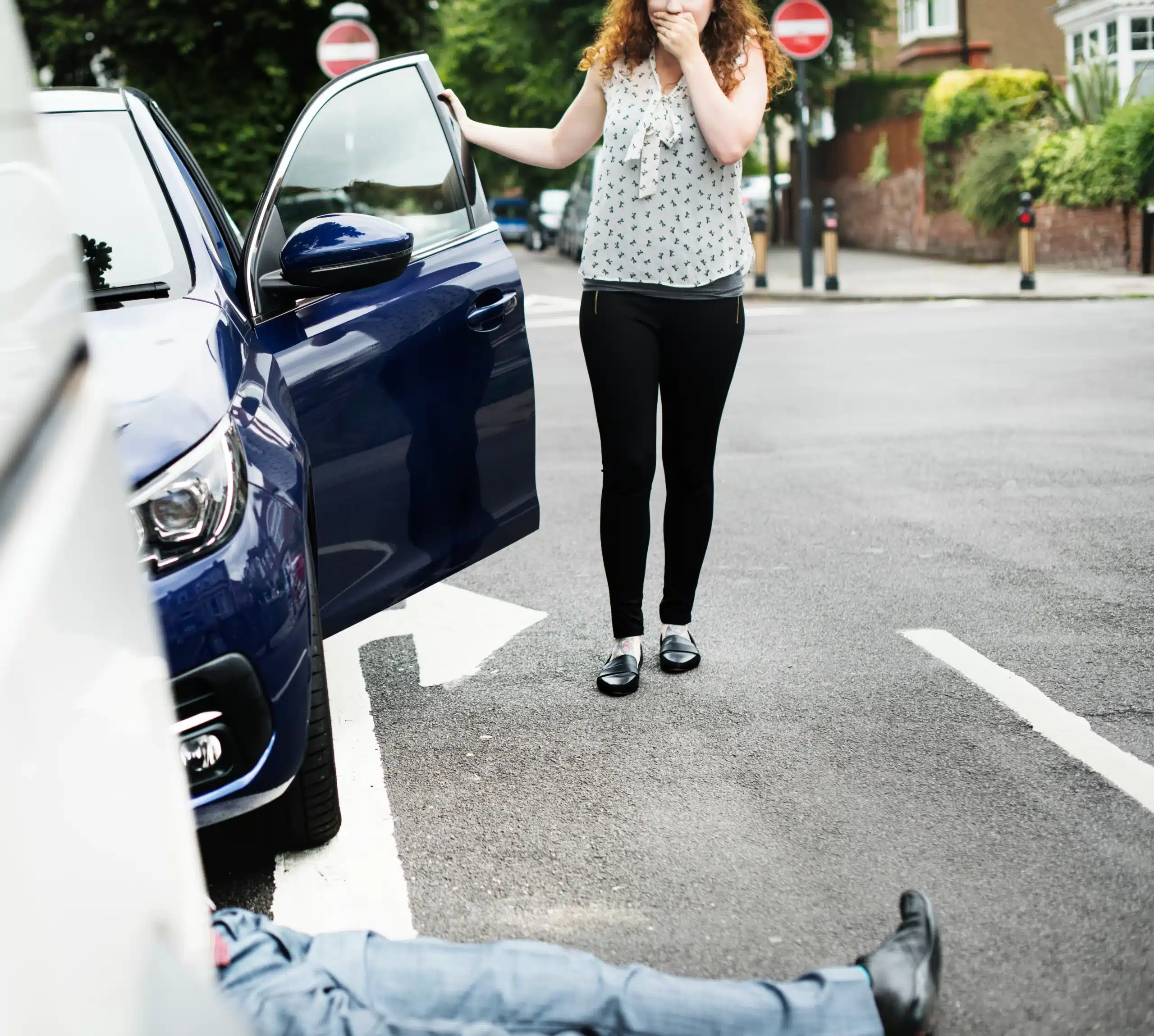
A pedestrian accident can reshape your life in a moment. One second you are crossing a street in Fort Worth, walking through a parking lot near Camp Bowie, or heading to work downtown. The next, you are dealing with serious injuries, medical appointments, lost income, and real uncertainty about what comes next. Pedestrians have no physical protection against a vehicle. When a crash happens, the consequences are almost always serious.
In the aftermath, you may face growing medical bills, time away from work, and insurance companies working to protect themselves rather than help you recover. The driver who hit you and their insurer may already be building a defense. You need a legal team focused on protecting your rights and pursuing the compensation you deserve.
At Frenkel & Frenkel, our Fort Worth pedestrian accident lawyers have spent decades helping injured people and their families hold negligent drivers accountable. We investigate the crash, gather critical evidence, and fight for the full compensation our clients deserve. We prepare every case as if it will go to trial, because insurance companies know which law firms are willing to take cases to court.
If you or a loved one was injured in a pedestrian accident in Fort Worth, contact us for a free consultation. We handle pedestrian injury cases on a contingency fee basis. You pay nothing unless we recover compensation for you.
NO FEES UNLESS WE WIN*

1,300+ Five-Star Reviews
$1B+
RECOVERED
30+
DECADES OF COMBINED LEGAL EXPERIENCE
90+
DECADES OF COMBINED LEGAL EXPERIENCE
FREE
CONSULTATION
KEY TAKEAWAYS
Quick Answer
What Should I Do After a Pedestrian Accident in Fort Worth?
If a vehicle hits you in Fort Worth, get medical care immediately, even if your injuries seem minor at first. Adrenaline can mask serious harm, and some injuries do not show full symptoms right away. Call 911 so a police report is made. If it is safe to do so, take photos of the scene, the vehicles involved, and any visible injuries. Get the names and contact information of any witnesses. Do not give a recorded statement to any insurance company before speaking with an attorney.
Texas gives you two years from the date of the accident to file a personal injury lawsuit, but critical evidence, including surveillance footage, dashcam video, and witness accounts, can disappear far sooner. A Fort Worth pedestrian accident attorney can investigate the crash, preserve that evidence, handle insurer communications, and pursue compensation for your medical bills, lost wages, pain and suffering, and other losses.
Call (817) 333-3333 — Free Consultation"*" indicates required fields
Texas law gives pedestrians important protections, but those protections depend on where and how you were crossing. Under Chapter 552 of the Texas Transportation Code, drivers must stop and yield the right of way when a pedestrian is in a marked crosswalk, and also in an unmarked crosswalk, which is the natural extension of a sidewalk across an intersection.
The Lisa Torry Smith Act, passed in 2021, gave pedestrians even more protection. Under that law, drivers who injure or kill a pedestrian lawfully in a crosswalk through negligence face specific criminal penalties. The law requires drivers to come to a complete stop, not just slow down.
Even outside crosswalks, Texas Transportation Code Section 552.008 requires drivers to use care to avoid hitting a pedestrian. That duty applies any time a driver can see a pedestrian on or near the road.
If a vehicle struck you while walking in Fort Worth, we are ready to listen. Contact us today for a free case review.
Texas drivers must yield to pedestrians in crosswalks, stay alert for people walking near the road, use a horn when needed to warn pedestrians, and take extra care around children or anyone who appears confused or unable to respond. A driver who fails to do these things and causes injury may be negligent.
Distracted driving, impaired driving, and speeding are among the most common reasons drivers miss pedestrians in time. When those actions cause a crash, injured pedestrians have the right to seek compensation through a personal injury claim.
Most pedestrian accident cases start with an insurance claim. The at-fault driver’s liability policy is usually the first source of recovery. An attorney can speak with that insurer, gather evidence, and work to reach a fair settlement. If the insurer refuses to offer reasonable compensation, the case can go to court.
If the driver was uninsured or fled the scene, you may be able to file a claim under your own uninsured or underinsured motorist coverage, often called UM or UIM coverage, even though you were on foot. You may also have Personal Injury Protection, or PIP, coverage on your auto policy that can help with medical bills and lost wages no matter who was at fault.
Popular Question
Who Is at Fault When a Pedestrian Is Hit by a Car in Texas?
In most cases, the driver who struck the pedestrian bears primary fault, particularly when they failed to yield at a crosswalk, were speeding, ran a red light, or were driving distracted or impaired. But fault is not always limited to one party. If the driver was working at the time of the crash, such as making a delivery or driving a commercial vehicle, the employer may also share responsibility. If a poorly maintained road, a missing crosswalk marking, or a malfunctioning traffic signal contributed to the crash, a government entity may bear some fault as well.
Texas uses a modified comparative negligence system. Even if you were partly at fault, such as crossing outside a marked crosswalk, you may still recover compensation if your share of fault is 50% or less. Your damages are reduced by your percentage of fault. An attorney can challenge unfair blame-shifting and build the strongest case the facts support.
Don't Wait — Call (817) 333-3333This situation is more common than most people expect, but you may still have options. Under Texas law, a hit-and-run driver is treated as an uninsured motorist. If you carry uninsured or underinsured motorist (UM or UIM) coverage on your own auto policy, you may be able to file a claim under that coverage even though you were not in a vehicle at the time of the crash.
To protect a UM claim, report the crash to police as quickly as possible, notify your own insurance company promptly, and document any physical contact between the vehicle and your body. If you are unsure what coverage you have or what steps to take next, a Fort Worth pedestrian accident attorney can review your policy, identify every possible source of compensation, and make sure no deadlines are missed.
Common Question:
What If I Was Partially at Fault for the Pedestrian Accident?
Shared fault does not automatically end your claim in Texas. Under the state's modified comparative negligence rule, you can still recover damages if your share of fault is 50% or less. Your compensation is reduced by your percentage of fault. For example, if you are found 20% at fault and your total damages are $200,000, you would receive $160,000.
The 51% threshold is the key rule to know. If you are found 51% or more at fault, Texas law bars you from recovering anything. Insurance companies are well aware of this rule and frequently try to push your fault percentage above 50% to avoid paying. A Fort Worth pedestrian accident attorney can investigate the crash, gather the evidence that shows what actually happened, and push back against unfair blame-shifting.
Get a Free Case Review — (817) 333-3333
The value of a pedestrian accident claim in Texas depends on the severity of your injuries, how the crash affects your ability to work, the strength of the evidence, and the amount of insurance coverage available. There is no fixed number, and any lawyer who promises a certain result up front is not being honest with you.
Texas law lets injured pedestrians seek two main types of damages. Economic damages include medical bills, future treatment costs, lost wages, and reduced earning capacity. Non-economic damages include pain and suffering, mental anguish, physical impairment, and disfigurement. In cases involving especially reckless or intentional conduct, exemplary damages may also be available.
Because pedestrians have no protection in a crash, injuries are often serious, including traumatic brain injuries, spinal cord damage, broken bones, and internal injuries. Those injuries usually mean higher medical costs and longer recovery times, which can increase the value of a claim. An attorney can help document the full extent of your losses and fight for fair compensation.
Our attorneys have spent over decades fighting for people hurt in pedestrian accidents. We have the knowledge and resources to take on even the most complex cases.
Our founding attorneys used to defend drivers and insurance companies in pedestrian accident cases. Now, they use that inside knowledge to fight for injured pedestrians like you. We know the tactics they use to deny pedestrian injury claims, and we know how to counter them.
We have recovered over $1 Billion in settlements and verdicts for our clients.* For 16 straight years, our attorneys have been named among the Best Lawyers in Fort Worth.
Settlement - Catastrophic Injury Case
Verdict - Commercial Vehicle Collision
Settlement - Trucking Accident Case
Settlement - Serious Motor Vehicle Wreck
Drivers who fail to yield, run signals, or speed through crosswalks where pedestrians have the legal right of way.
Collisions caused by turning vehicles, signal violations, or drivers who fail to watch for pedestrians at marked intersections.
Pedestrians struck by reversing or improperly operated vehicles in parking areas near shopping centers, grocery stores, restaurants, or residential driveways.
Cases where the driver fled the scene. We help victims pursue compensation through uninsured motorist coverage and all other available options.
Children and parents struck near Fort Worth schools, playgrounds, and recreation areas where heightened driver care is required by law.
High-foot-traffic areas such as Sundance Square, West 7th Street, the Cultural District, and Near Southside along Magnolia Avenue, where pedestrians and vehicles cross paths constantly,
Pedestrians struck on or near I-35W, I-30, Loop 820, and other fast-moving corridors in Fort Worth's High-Injury Network.
Pedestrians struck by Lyft, Uber, delivery vans, or other commercial vehicles, where the driver's employer or contracting company may also bear liability.
Cases where the driver was under the influence of alcohol or drugs at the time of the crash.
Crashes on Fort Worth corridors with documented pedestrian safety problems, including Camp Bowie Boulevard, Lancaster Avenue, Hulen Street, Henderson Street, and corridors identified in the city's Vision Zero safety action plan.
In most cases, Texas law gives you two years from the date of the accident to file a personal injury lawsuit, under Texas Civil Practice and Remedies Code Section 16.003. If your claim involves a government vehicle or a government employee, such as a Fort Worth city bus or a municipal vehicle, you may need to file a formal notice of claim within six months. Missing either deadline typically ends your right to recover compensation. Contact an attorney as soon as possible so no deadlines are missed.
You are not required to give a recorded statement to the other driver's insurer, and doing so before speaking with a lawyer can hurt your case. Insurance adjusters are trained to ask questions that shift blame or minimize the severity of your injuries. Before communicating with any insurer, including your own, speak with a Fort Worth pedestrian accident attorney first. An attorney can handle those calls, protect your rights, and make sure your words are not used against you.
Texas' comparative negligence rules still apply. Even if you were crossing outside a marked crosswalk, you may still recover compensation as long as the driver was more at fault than you were, meaning your share of fault is 50% or less. Drivers in Texas have a general duty to avoid striking pedestrians, even when the pedestrian is not in a designated crosswalk. The specific facts of your situation determine how fault is divided, and an attorney can help make that case.
Depending on the facts of your case, you may be able to recover economic damages including past and future medical expenses, lost wages, and reduced future earning capacity. You may also recover non-economic damages for physical pain and suffering, mental anguish, physical impairment, and disfigurement. In cases involving especially reckless conduct, Texas law may allow exemplary damages as well. Pedestrian injuries are often severe and long-lasting. Documenting every loss carefully from the start helps ensure nothing is left out of your claim.
When a pedestrian accident takes a life, surviving family members may be able to bring a wrongful death claim under Texas law. Spouses, children, and parents of the person who died are generally eligible claimants. A wrongful death claim can seek compensation for financial losses, lost future support, loss of companionship, and the emotional toll of the loss. The statute of limitations is generally two years from the date of death. A Fort Worth pedestrian accident attorney can explain your options and guide your family through the process with care.
Your first consultation is free, with no obligation. If we take your case, we work on a contingency fee basis. That means you pay no attorney fees unless we recover compensation for you. There are no upfront costs and no out-of-pocket legal fees while the case is pending. Our fee is a percentage of what we recover. Call (817) 333-3333 to get started.
A Fort Worth pedestrian accident attorney can investigate the crash, secure evidence before it disappears, identify every party that may share fault, manage all communications with insurance companies, work with medical experts and accident reconstruction specialists, negotiate for a fair settlement, and take the case to trial when needed. When you are focused on recovering from serious injuries, having an attorney handle the legal work can make a meaningful difference in both your outcome and your peace of mind.