

Your Smartwatch May Be One of the Most Powerful Pieces of Evidence You Have
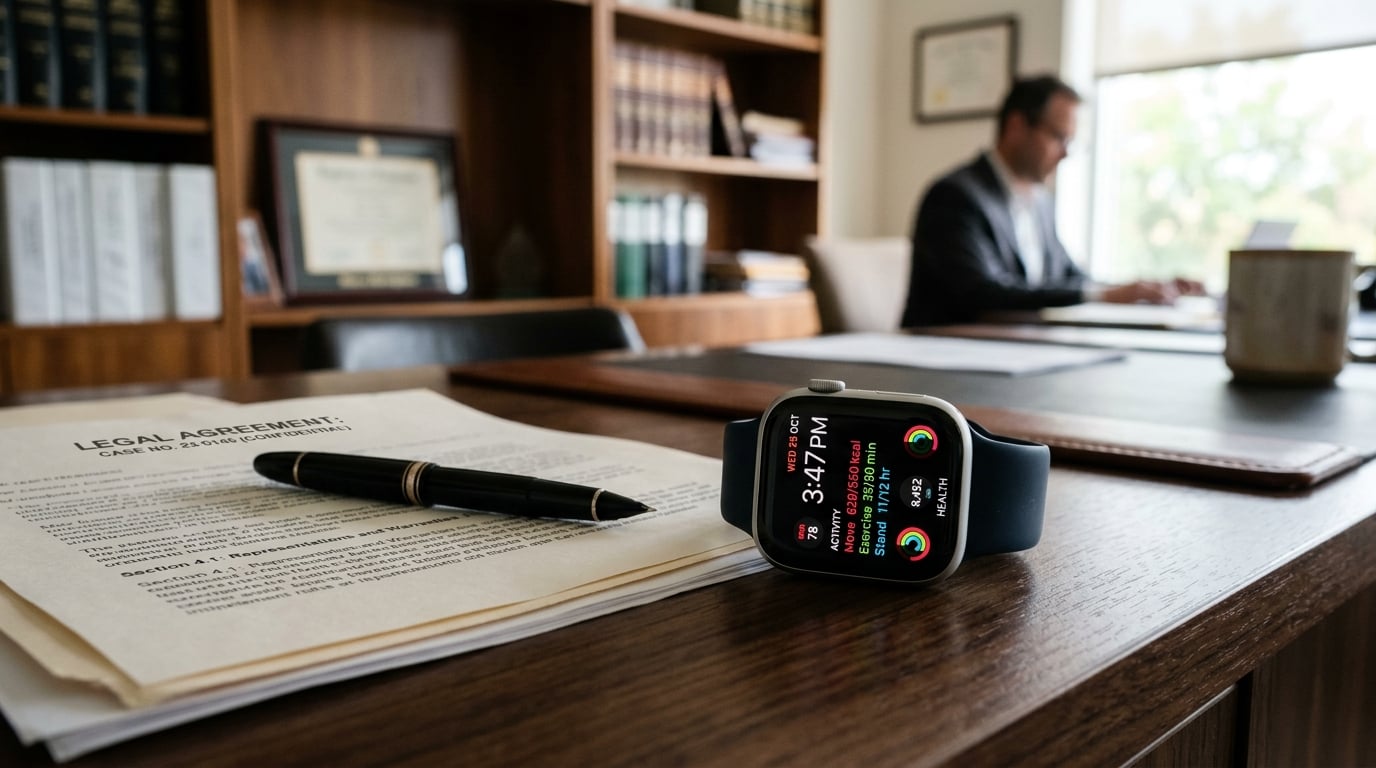
Most people wear their fitness tracker or smartwatch to count steps, monitor sleep, or track a workout. Few think of it as a legal tool. But in personal injury cases across Texas, wearable technology is quietly becoming one of the most compelling forms of evidence available — and attorneys and insurance companies alike are paying close attention.
If you have been injured in a car accident, a slip and fall, or any other incident caused by someone else’s negligence, the data on your wrist may tell a story that words alone cannot. Heart rate logs, GPS movement records, sleep disruption data, step counts, and activity levels can all help establish how your life changed after an injury — and how significantly.
At Frenkel and Frenkel, we believe in transparency, empowerment, and helping you make informed decisions during one of life’s most stressful moments. Here is what you need to know about wearable technology and how it can support your personal injury claim.
Key Takeaways:
– Wearable devices like Fitbits, Apple Watches, and Garmin trackers collect health and activity data that can serve as powerful evidence in personal injury cases
– This data can help establish the before-and-after impact of an injury on your daily life, activity levels, and physical health
– Wearable data has been used in court cases to support and quantify pain and suffering, lost mobility, and disrupted sleep
– Insurance companies may also attempt to use wearable data against you, making it critical to work with an attorney before sharing any records
– Preserving your device data immediately after an injury can protect valuable evidence before it is overwritten or lost
– An experienced personal injury attorney knows how to obtain, interpret, and present this data effectively
The Rise of Wearable Technology in Legal Proceedings
Wearable technology has moved well beyond the gym. Today, devices like the Apple Watch, Fitbit, Garmin, WHOOP, and Samsung Galaxy Watch continuously collect a remarkable amount of health and movement data. They track steps, distance, heart rate, blood oxygen levels, sleep stages, calorie burn, stress indicators, and even fall detection. Millions of Texans wear these devices every day without thinking much about the data being logged in the background.
The legal world has been watching. Courts across the United States have already seen wearable data introduced as evidence in personal injury and workers’ compensation cases, and the trend is growing. As these devices become more accurate and more widely used, the data they generate carries increasing weight in establishing what a person’s physical condition looked like before and after an injury — precisely the kind of information that determines the value of a personal injury claim.
How Wearable Data Can Support Your Injury Claim
The core of any personal injury claim is demonstrating that the defendant’s negligence caused you harm. Wearable technology strengthens that case in several concrete ways.
Establishing a Baseline Before the Injury
One of the most powerful aspects of wearable data is that it creates an objective, timestamped record of your health and activity before the accident ever happened. If you were an active person who walked 8,000 steps a day, hit the gym regularly, and slept soundly before the injury, your device has documented that reality. That baseline makes it much harder for an insurance company to argue that your current limitations are unrelated to the accident or preexisted the incident.
Documenting the Impact After the Injury
After a serious injury, the data tells a different story. Step counts drop. Sleep becomes fragmented and restless. Heart rate variability may shift in ways consistent with chronic pain or stress. Active minutes fall sharply. When the data from weeks or months after the accident is compared to the baseline, the contrast can be striking — and persuasive.
Supporting Pain and Suffering Claims
Pain and suffering are one of the most contested categories of damages in a personal injury case because it is invisible. Insurance companies routinely challenge these claims by arguing that an injury was not as severe as the plaintiff claims. Wearable data offers objective, third-party corroboration. Disrupted sleep patterns, significantly reduced activity levels, and changes in heart rate data all provide measurable evidence that a person’s daily experience was meaningfully altered by their injuries.
| Type of Wearable Data | How It Supports a Claim |
| Step Count | Shows reduced mobility and physical activity after injury |
| Sleep Tracking | Documents insomnia or sleep disruption linked to pain |
| Heart Rate Data | Can reflect physical stress, chronic pain, or anxiety |
| GPS and Location Data | Tracks changes in movement patterns and daily routine |
| Activity Minutes | Demonstrates inability to exercise or perform normal activities |
| Fall Detection Logs | May record the incident itself or post-injury instability |
Real-World Applications: When Wearable Data Has Made a Difference
Courts have already seen wearable evidence play a meaningful role in personal injury proceedings. In one early and widely cited Canadian case, wearable fitness data was used to demonstrate that a plaintiff’s activity levels had declined significantly following an injury — helping quantify damages that would otherwise have relied solely on subjective testimony.
In personal injury cases more broadly, attorneys are increasingly using wearable data alongside medical records, expert testimony, and other evidence to paint a complete picture of how an injury affected a client’s life. The data does not stand alone — it supports and reinforces the rest of the evidentiary record. When a doctor testifies that a patient is suffering from chronic pain and reduced mobility, and a Fitbit shows a dramatic drop in activity levels starting the day after the accident, those two pieces of evidence reinforce each other powerfully.
The Other Side: When Insurance Companies Use Wearable Data Against You
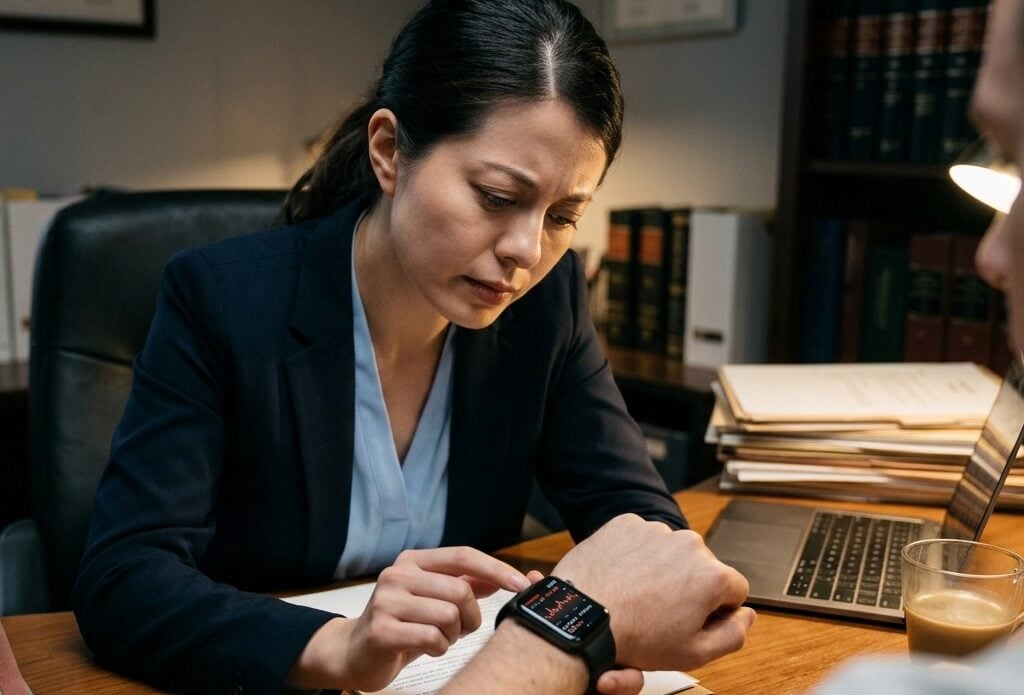
It is important to understand that wearable technology is a double-edged sword. The same data that can support your claim can also be used against you if it does not align with your reported symptoms.
Insurance companies and defense attorneys are increasingly aware of wearable data and may request access to it during the discovery process. If your device shows that you took 6,000 steps on a day when you reported being unable to leave the house, that discrepancy can be used to challenge your credibility. Even data that seems innocuous can be misinterpreted or taken out of context.
This is one of the most important reasons to involve an experienced personal injury attorney early in the process. An attorney can evaluate your data before it is shared, provide context for apparent inconsistencies, and ensure that the opposing side does not cherry-pick isolated data points to misrepresent your overall condition.
| Potential Benefit | Potential Risk |
| Proves reduced activity after injury | Activity spikes could be misused to dispute severity |
| Supports sleep disruption claims | Isolated good nights could be used to undermine claims |
| Provides objective, timestamped evidence | Data can be taken out of context without proper framing |
| Strengthens credibility when consistent with medical records | Inconsistencies may require careful explanation |
Steps to Protect and Preserve Your Wearable Data
If you have been injured and you wear a fitness tracker or smartwatch, taking a few proactive steps can protect valuable evidence and strengthen your claim.
Do not reset or factory restore your device after an injury. Many wearable devices store a limited window of data locally before syncing to the cloud, and a reset can permanently erase that record. Make sure your device is synced with its companion app and that cloud backup is enabled to preserve your data.
Take screenshots of your activity summaries in the days and weeks following the accident to create a secondary record. Note the date of the injury and preserve everything from that point forward. If your device has any fall detection or emergency SOS features, check whether they logged anything during the incident.
Bring your device records to your attorney as early as possible. The sooner your legal team can evaluate the data, the better positioned they will be to use it effectively and anticipate how the other side might attempt to challenge it.
How Frenkel and Frenkel Can Help
Personal injury cases have always been about telling the full story of how someone’s life was changed by another person’s negligence. Wearable technology adds a new chapter to that story — one written in objective, timestamped data rather than subjective recollection alone. But gathering, interpreting, and presenting that data effectively requires legal experience and a strategic approach.
At Frenkel and Frenkel, our attorneys have decades of experience building comprehensive personal injury cases for clients across Texas. We know how to work with emerging evidence like wearable data alongside medical records, expert witnesses, and other documentation to build the strongest possible case for the compensation you deserve. We also know how to protect you from having your own data used against you.
What sets us apart:
– No Upfront Fees: You pay nothing unless we win your case
– Clear Communication: We explain every step, every option, and every cost
– Relentless Advocacy: We fight for the compensation you deserve, whether at the negotiating table or in a courtroom
– Compassionate Support: We treat you like family, not just another case number
If you or a loved one has been injured due to someone else’s negligence, do not wait to protect your rights. Contact Frenkel and Frenkel today for a free, no-obligation consultation. Call us in Dallas at (214) 333-3333 or in Fort Worth at (817) 333-3333. The sooner you have experienced representation in your corner, the better positioned you will be to recover what you deserve.
Frequently Asked Questions
Q: Can my Fitbit or Apple Watch data actually be used in a personal injury case?
A: Yes. Wearable device data has been admitted as evidence in personal injury and workers’ compensation cases. Courts have accepted step count data, sleep records, heart rate logs, and GPS information as relevant evidence in establishing how an injury affected a plaintiff’s daily life.
Q: What types of wearable data are most useful in a personal injury claim?
A: Step counts, sleep tracking, active minutes, heart rate variability, and GPS location data are among the most commonly used. The most powerful evidence is a clear contrast between your baseline activity before the injury and your reduced activity afterward.
Q: Can the insurance company demand access to my wearable device data?
A: In some cases, yes. During the discovery phase of litigation, the opposing side may request access to wearable data. This is one reason why working with an attorney from the beginning is so important — your attorney can manage what is disclosed, provide context, and protect you from misuse of your data.
Q: What if my wearable data shows activity on days I reported being in pain?
A: This does not necessarily hurt your case. Pain levels fluctuate, and people with serious injuries still perform some activities. An experienced attorney can provide context and ensure that any apparent inconsistencies are properly explained rather than left open to misinterpretation.
Q: How do I preserve my wearable data after an accident?
A: Do not reset your device. Make sure it is synced to its companion app with cloud backup enabled. Take screenshots of your activity summaries, note the date of the injury, and bring your records to your attorney as soon as possible.
Q: What if I did not wear a fitness tracker before my injury?
A: Wearable data is just one form of evidence among many. Medical records, witness testimony, expert opinions, surveillance footage, and other documentation can all be used to build a strong personal injury claim. An experienced attorney will identify the best combination of evidence for your specific situation.
https://maps.app.goo.gl/7kDKpkQgJwq44xbUA
Created on 07-20-26