Free Consultation
Free Consultation Call Frenkel & Frenkel on the phone at (214) 333-3333

Available 24/7

(720) 807-3985
Home .   Fort Worth .   Juvenile Facility Harm Attorneys

Fort Worth Juvenile Facility Harm Attorneys

Juvenile facilities are supposed to protect and rehabilitate young people, but they can also be some of the most dangerous places for vulnerable children in Texas. Minors placed in detention centers, group homes, residential treatment facilities, and juvenile justice institutions often face abuse, neglect, and inadequate supervision that can lead to serious physical and emotional harm. Assaults by staff or other residents, medical neglect, isolation abuse, sexual abuse, and self-harm often leave children with lasting trauma.

If your child was harmed in a juvenile facility in Fort Worth or Tarrant County, you may be facing medical bills, emotional distress, and uncertainty about your child’s recovery and future. These injuries can affect every part of a young person’s life, including their mental health, education, and ability to trust others. You should not have to shoulder those burdens alone.

At Frenkel & Frenkel, our Fort Worth juvenile facility harm lawyers help injured children and their families pursue the compensation they deserve. We investigate what happened, identify every responsible party, and pursue claims against negligent facility operators, staff members, private companies, and government agencies — including Tarrant County Juvenile Services and state agencies. Many juvenile facility harm cases involve claims against county or state entities, and we work to recover the maximum compensation available under Texas law.
We offer free consultations and handle juvenile facility harm cases on a contingency fee basis, meaning you pay nothing unless we recover compensation for you.

NO FEES UNLESS WE WIN

1,300+ Five-Star Reviews

$1B+

RECOVERED

30+

YEARS EXPERIENCE

90+

YEARS COMBINED EXPERIENCE

FREE

CONSULTATION

*Client may be responsible for certain costs and expenses regardless of outcome.

KEY TAKEAWAYS

Quick Answer

Do I need a lawyer if my child was harmed in a juvenile facility in Fort Worth?

Yes — and time matters. Facility operators and government agencies work quickly to limit their liability after abuse or neglect incidents. You need an attorney who moves just as fast. Frenkel & Frenkel investigates the facility, preserves incident reports and surveillance footage, identifies every liable party, and handles the claims process -- so you can focus on your child's recovery. You pay nothing unless we win.

Call (817) 333-3333 — Free Consultation

Contact Us

"*" indicates required fields

Step 1 of 4

This field is for validation purposes and should be left unchanged.
What type of accident?
This helps us connect you to the right attorney.

How do you know if you have a juvenile facility harm case?

You may have a juvenile facility harm case if your child was injured, abused, or neglected while in the custody of a detention center, group home, or residential facility in Tarrant County. The key question is simple: Did the facility fail to protect your child?
Was your child assaulted by staff or other residents? Were there prior incidents of abuse or violence at the facility? Did staff ignore warning signs or fail to provide adequate supervision? Was medical care delayed or denied? If you answer yes to any of these, you could have a valid claim.
Texas law allows families to hold facilities responsible when they fail in their duty of care. In Tarrant County, this may include the facility operator, Tarrant County Juvenile Services, individual staff members, private companies, or state agencies such as the Texas Juvenile Justice Department.
box-module-background with partner

Helpful Information

What should you do if your child is harmed in a juvenile facility?

Seek Medical Care: Get them medical care right away, even if the injury seems minor. Some injuries, especially psychological trauma, take time to show up.

Document Everything: Take photos of any visible injuries. Request copies of all facility incident reports, medical records, and staff notes. Save any communications with facility staff. Write down your child’s account of events while it is fresh.

Report the Abuse: Report the abuse or neglect to the proper authorities — including Tarrant County Juvenile Services, the Texas Juvenile Justice Department, local law enforcement, or Child Protective Services.

Contact an Attorney: Talk to a Fort Worth juvenile facility harm lawyer as soon as possible. In most cases, you have two years from the date you discovered the harm to file a claim in Tarrant County.

WHEN A CRASH CHANGES YOUR LIFE, WE FIGHT BACK.

If your child was abused or neglected in a detention center or group home, we are ready to listen. Contact us today for a free case review.

How long does a juvenile facility harm case take?

Every case is different. Some cases settle in a few months. Others may take a year or more, depending on how complex they are.

A few things can affect the timeline. How serious is the harm? Are government agencies involved? Is there clear documentation of the abuse or neglect, or does it require witness interviews and expert testimony? These factors all play a role.

Our team works to move cases forward as quickly as possible. At the same time, we do not rush into a settlement that may not be fair to your child’s future needs. We keep you updated along the way so you always know where things stand.

What does it cost to hire a juvenile facility harm lawyer?

At Frenkel & Frenkel, we work on a contingency fee basis. That means you pay nothing upfront. We only collect a fee if we recover money for you.*

There is no charge for your first consultation. You can call us, tell us what happened, and we will let you know if we think we can help. There is no pressure and no obligation.

Can you file a claim if you were not the one who placed your child in the facility?

Yes, in many cases you can. Texas law does not require you to have been the person who placed your child in the juvenile facility. If your child was harmed due to abuse, neglect, or inadequate supervision, you may have a claim as a parent or legal guardian. This is true even if the placement was court-ordered or made by a state agency.

What matters most is that the facility failed in its duty to protect your child and that this failure caused harm. A lawyer can look at the facts of your case and help you figure out the best path forward.

home-banner-new-scaled-1-new
frenkel personal injury lawyers

Quick Answer

Can I recover more compensation if multiple parties failed to protect my child?

Potentially yes. Each liable party may carry their own insurance policy or assets. Identifying multiple defendants -- such as the facility operator, individual staff members, Tarrant County Juvenile Services, and the Texas Juvenile Justice Department -- can open up multiple sources of recovery.

  • Facility Operator — inadequate supervision, failure to hire qualified staff
  • Individual Staff Members — physical abuse, sexual abuse, excessive force
  • Government Agency — failure to inspect, ignoring prior complaints
  • Private Management Company — cost-cutting that compromised safety
  • Medical Provider — failure to diagnose or treat injuries, denial of care

Past results do not guarantee a similar outcome. Every case is different.

Get a Free Case Review — (817) 333-3333
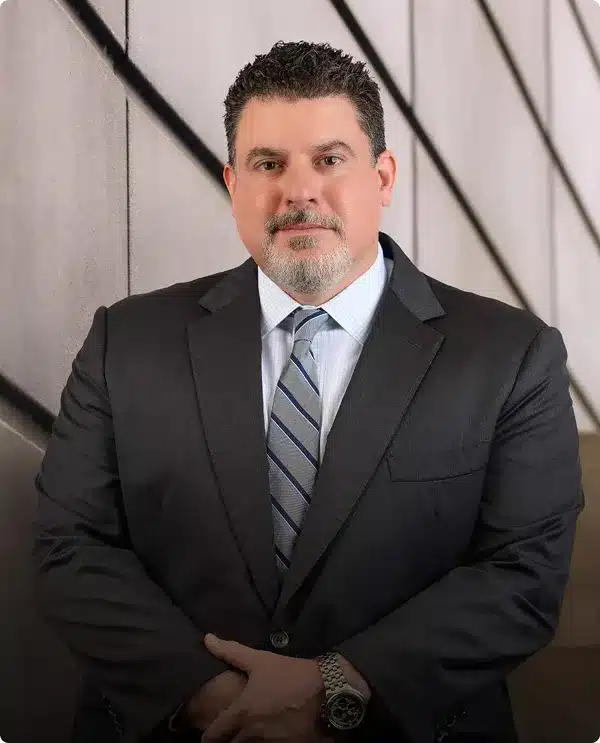
Gene-Burkett-new

Attorney

Gene Burkett

“I was drawn to the law because it offered an opportunity to help people in their time of need. I’ve always been competitive by nature. Practicing law allows me to compete daily against large insurance companies and opposing counsel. The longevity of our partnership more than 30 years now has led to a trial team that knows how to win.” Read Bio and Credentials
Scott-Frenkel-scaled

Attorney

Scott Frenkel

“I love helping people. I usually see them at their worst when they’ve suffered a catastrophic injury or lost a loved one from a vehicle collision, dangerous premises, defective prescription drugs, or medical errors. They need someone who truly cares to help them. I’m honored to do that work.” Read Bio and Credentials
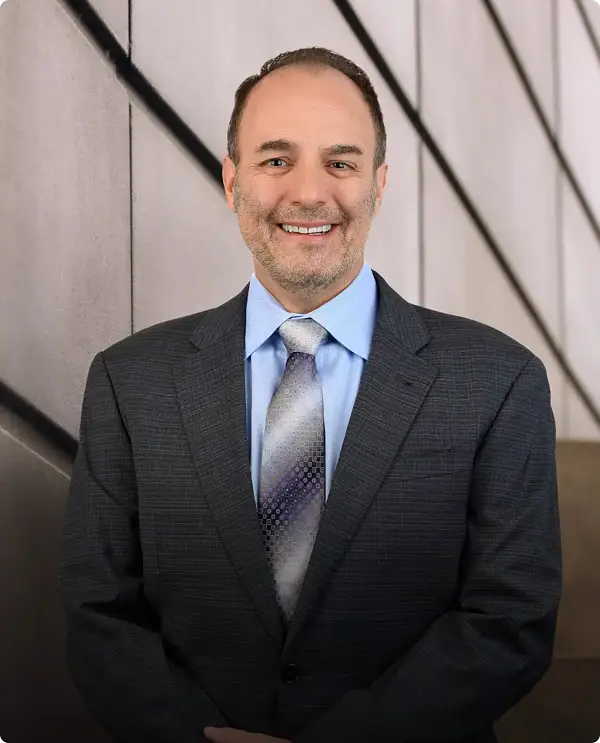
Mark-D-Frenkel-new

Attorney

Mark D. Frenkel

“The heart of our practice is that juries can help those who have been injured. The right to plead your case before a jury is one of our inalienable rights in this country. When careless and irresponsible companies put profits over people, juries must hold them responsible.” Read Bio and Credentials
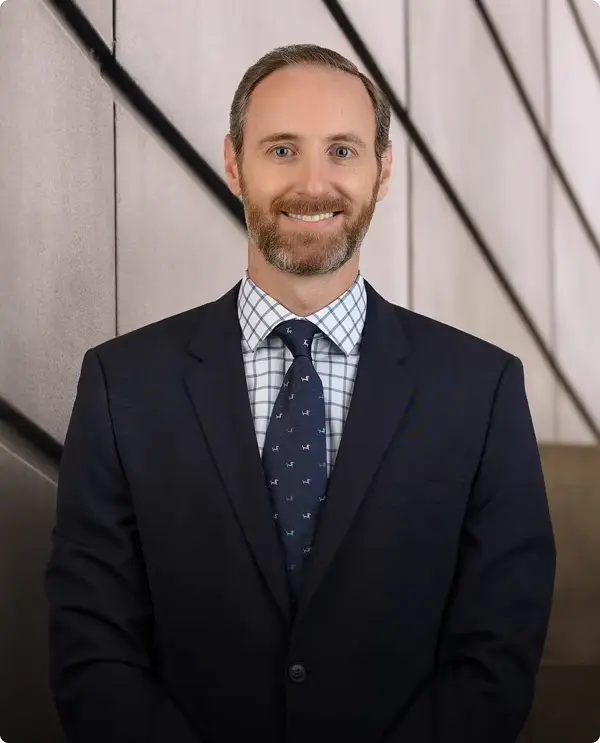
Aaron-Spahr-new

Attorney

Aaron Spahr

Aaron Spahr brings a rare breadth of experience and legal excellence to every case he takes on. With a passion for justice, Aaron has successfully litigated complex cases involving motor vehicle collisions, premises liability, and more. His commitment to serving the injured stems from a desire to provide a voice to those in need, ensuring our clients receive the support and representation they deserve. Read Bio and Credentials
Carlos-A-Fernandez-new

Attorney

Carlos A. Fernandez

Dallas Personal Injury Attorney Carlos A. Fernandez is driven by a strong sense of duty to family and community. Raised by Cuban immigrants, his determination to make a difference led him to law. Fluent in Spanish, Carlos joined Frenkel & Frenkel in 2015, bringing a wealth of litigation experience. His commitment extends beyond law; he passionately supports organizations like Habitat for Humanity and Autism Speaks. As an Articles Editor for the Southern Methodist University International Law Review, Carlos is known for upholding the highest standards of legal excellence. Read Bio and Credentials
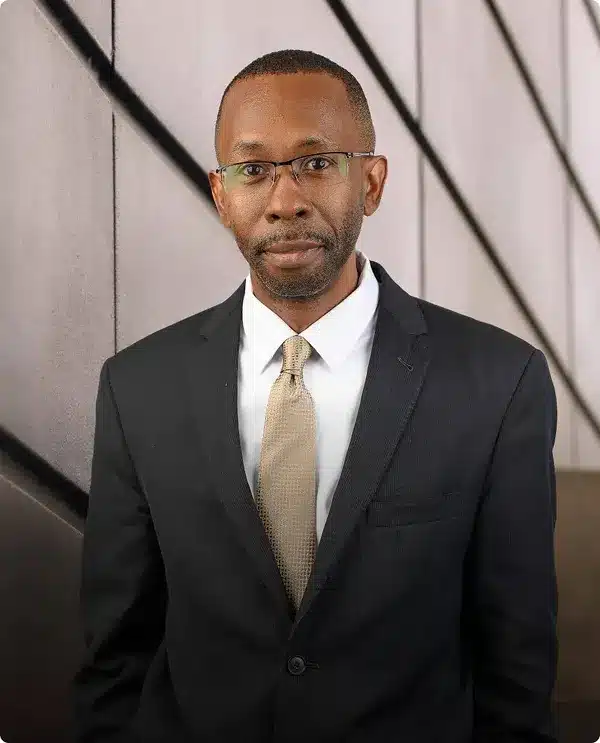
Shawn-Thompson-new

Attorney

Shawn Thompson

Shawn Thompson is known for his exceptional legal insight and unwavering client commitment. With a formidable background in the legal arena, Shawn works long hours to ensure his clients are treated fairly. At Frenkel & Frenkel, Shawn channels his wealth of experience and unyielding dedication to providing aggressive representation and unwavering support to every client. His client-first, responsive approach reflects the firm’s reputation for excellence in client care. Read Bio and Credentials
Brett-Baker-new

Attorney

Brett Baker

Brett Baker is a highly-skilled attorney at Frenkel & Frenkel who offers top-tier legal expertise and an unwavering commitment to serving his clients with compassionate care. With a passion for justice, Brett tirelessly pursues maximum compensation for the injured. He represents individuals in various legal matters, standing by his clients with dedication and integrity. Brett’s relentless advocacy and commitment to justice set a standard of excellence in the legal community in Dallas. Read Bio and Credentials
Joshua-Cohen-new

Attorney

Joshua Cohen

Joshua Cohen brings impressive legal skills to every case he takes on at Frenkel & Frenkel. He is unwavering in his pursuit of full compensation for the people he serves. With focused dedication, he fiercely advocates for justice in negotiating a settlement or in court. In representing the injured, he delivers compassionate support at every phase of the legal journey. Read Bio and Credentials
Jason-Boorstein-new

Attorney

Jason Boorstein

Jason Boorstein is a talented and experienced attorney at Frenkel & Frenkel, known for his unrelenting approach to pursuing justice for clients. With a passion for fighting on behalf of the injured, Jason brings relentless determination to every case. Specializing in personal injury law, he is fearless and focused, ensuring his clients have the vigorous representation they deserve to achieve optimal outcomes. Read Bio and Credentials
Dave-Adest-new

Attorney

Dave Adest

Dave Adest, an experienced attorney at Frenkel & Frenkel, brings exceptional legal skills and a record of impressive success to the firm. Specializing in personal injury matters, including motor vehicle collisions and premises liability cases, he is relentlessly determined to pursue justice and full compensation. He fiercely advocates for our clients with compassionate, focused representation. Read Bio and Credentials
box-module-background with partner

What should I do if I suspect my child is being abused in a juvenile facility?

Act immediately. First, get your child medical attention if they show signs of injury. Document any visible marks, bruises, or behavioral changes with photos and written notes.

Second, report the abuse to local law enforcement and Child Protective Services. This creates an official record and may protect other children at the facility. Ask for a case number and keep all documentation.

Third, contact a juvenile facility harm attorney right away. Time matters — evidence can disappear, and there are strict deadlines for filing claims. An attorney can help you preserve evidence, obtain records from the facility, and hold those responsible accountable.

Do not delay. The faster you act, the stronger your case.

Why Choose Frenkel & Frenkel?

Decades of Combined Legal Experience

We have the knowledge and resources to take on complex cases against government agencies and private operators throughout Tarrant County.

We Know How the Other Side Thinks

Our founding attorneys used to defend insurance companies. Now, they use that inside knowledge to fight for your rights.

A Track Record That Speaks for Itself

We have recovered over $1 Billion in settlements and verdicts for our clients.

Case Results

These results reflect outcomes in specific cases and should not be used to predict what may happen in your case.

$12 MILLION

Settlement - Catastrophic Injury Case

$4.5 MILLION

Verdict - Commercial Vehicle Collision

$35.5 Million

Settlement - Trucking Accident Case

$18 Million

Settlement - Serious Motor Vehicle Wreck

Quote mark

Texas Law Statistics

Filing Deadline

Texas gives you two years to file most personal injury claims.

Tarrant County Commitments

In fiscal year 2025, Tarrant County transferred 103 youth to the Texas Juvenile Justice Department — the highest rate in the state (Texas Tribune / Star-Telegram).

DOJ Investigation (August 2024)

Over 80% of juvenile facility harm cases settle before going to trial when liability is clear.

Annual Incidents

Over 10,000 substantiated cases of abuse and neglect occur in juvenile facilities nationwide each year (DOJ data).

Pre-Trial Resolution

Over 80% of juvenile facility harm cases settle before going to trial when liability is clear.

Lynn W. Ross Juvenile Detention Center

Tarrant County’s primary secure juvenile facility, located at 2701 Kimbo Road, Fort Worth, TX 76111, with a capacity of 120-128 beds, overseen by Tarrant County Juvenile Services.

Common Causes of Harm in Juvenile Facilities

Staff Abuse and Misconduct
Some of the most serious harm comes from the people who are supposed to protect children. Physical abuse, sexual abuse, verbal abuse, and inappropriate relationships with residents are never acceptable. When facilities fail to screen, train, or supervise staff properly, children pay the price.

Inadequate Supervision
Juvenile facilities have a duty to watch over residents at all times. When staff ratios are too low, when employees are distracted, or when supervision policies are ignored, dangerous situations develop. Lack of supervision allows assaults, self-harm, and escapes to occur.

Failure to Protect from Other Residents
Children in juvenile facilities are often placed together despite different risk levels. When staff fail to separate violent residents from vulnerable ones, attacks happen. Facilities that ignore known dangers between residents put everyone at risk.

Medical Neglect
Juveniles in custody have the right to proper medical and mental health care. When facilities delay treatment, deny medication, ignore injuries, or fail to respond to medical emergencies, the results can be devastating. Some children suffer permanent harm because staff did not take their complaints seriously.

Excessive Use of Restraints and Isolation
Restraints and isolation should only be used as a last resort and for short periods. When staff use these methods as punishment, apply them incorrectly, or leave children restrained for hours or days, serious physical and psychological harm results. Some children have died from improper restraint use.

Dangerous Facility Conditions
Broken equipment, unsanitary conditions, fire hazards, and inadequate security create risks for everyone. When facilities cut corners on maintenance and safety, children suffer. Dangerous conditions can lead to injuries, illness, and opportunities for assault or escape.


Types of Juvenile Facility Harm Cases We Handle

Detention Centers

Physical abuse, sexual assault, and excessive force by staff or other residents are common in juvenile detention facilities. Poor supervision, inadequate security, and failure to separate violent offenders from low-risk youth create dangerous conditions. If your child was harmed in detention, you may have a claim.

Group Homes

Group homes are supposed to provide a safe, structured environment for vulnerable youth. When staff abuse residents, fail to supervise properly, or allow dangerous conditions to exist, children suffer. Neglect, malnutrition, and inadequate medical care are issues we see.

Residential Treatment Facilities

These facilities promise mental health treatment and rehabilitation. When they deliver abuse instead of care, families have legal options. Improper medication, isolation abuse, denial of therapy, and staff misconduct may give rise to claims.

Boot Camps and Wilderness Programs

Military-style boot camps and wilderness therapy programs have a history of abuse and even deaths. Dehydration, heat exhaustion, physical punishment, and inadequate medical response can cause serious harm. These programs often operate with minimal oversight.

State-Run Facilities

Texas Youth Commission facilities and other state-run institutions have a duty to protect children in their custody. When government agencies fail to maintain safe conditions, hire qualified staff, or respond to complaints, they can be held accountable under state and federal law.

Private Contracted Facilities

Many counties and states contract with private companies to house juveniles. These facilities may cut costs at the expense of safety. Understaffing, poor training, and inadequate security put children at risk. Private operators can be sued for negligence.

Frequently Asked Questions

Juvenile facility harm occurs when a child is injured, abused, or neglected while in the custody of a detention center, group home, or residential facility. You may have a claim if your child suffered physical abuse, sexual abuse, medical neglect, excessive force, or harm due to inadequate supervision. Texas law requires facilities to protect children in their care from foreseeable dangers.

The main types are staff abuse (physical, sexual, or emotional), failure to protect from other residents, medical neglect, excessive use of restraints or isolation, inadequate supervision, and dangerous facility conditions. All of these involve a facility failing in its duty to keep children safe while in custody.

We handle cases against all types of juvenile facilities, including detention centers, group homes, residential treatment facilities, boot camps, wilderness programs, state-run institutions, and privately contracted facilities. If your child was harmed in any type of juvenile custody setting, we can help.

Yes. State-run facilities can be sued under Texas law and federal civil rights laws when they fail to protect children. Government immunity has exceptions for cases involving abuse, neglect, and constitutional violations. We have experience pursuing claims against both state and county facilities.

Liable parties can include the facility operator, individual staff members who committed abuse, the management company, government agencies responsible for oversight, and medical providers who denied care. In some cases, multiple parties share responsibility. We investigate to identify everyone whose negligence contributed to your child's harm.